Stories that build word power.
Word lists don't stick. Stories do. Master the vocabulary that exams demand — and the words that stay for life. For students, language learners, parents, tutors, and anyone serious about words.
Why stories give every learner an edge.
Most vocabulary prep means boring word lists — words crammed today, forgotten tomorrow. Story-based learning is backed by research, giving learners the contextual understanding that exams demand and life rewards.
Vocabulary that holds up
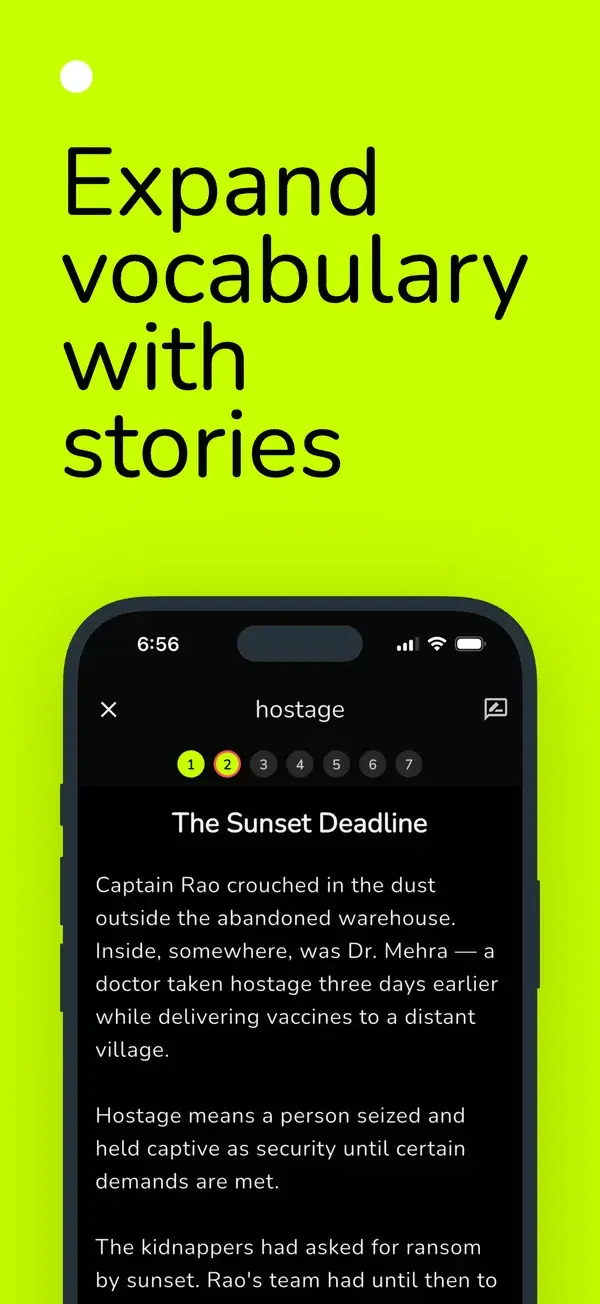
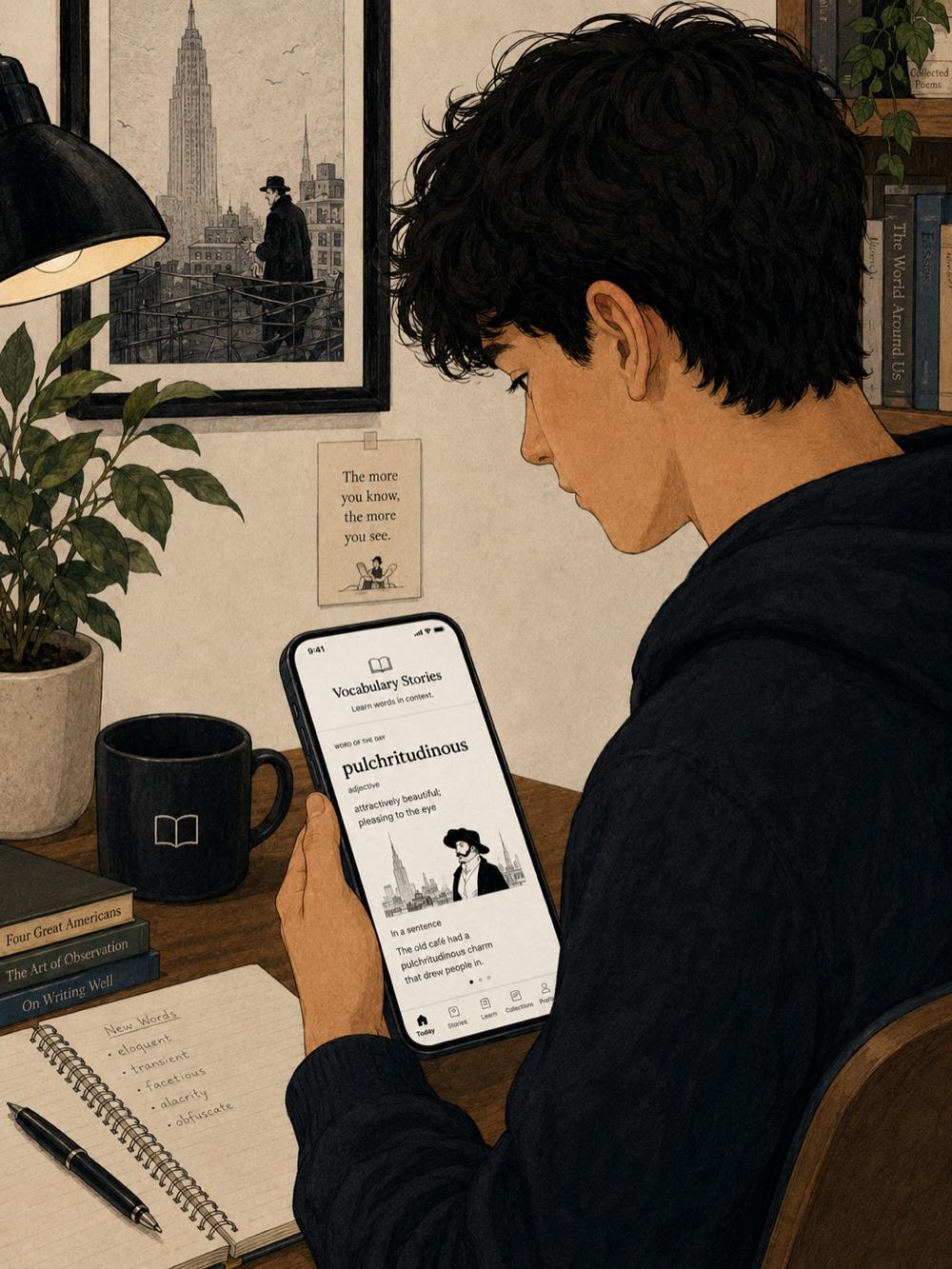
A word memorised from a list is just a word. The same word met in a story comes with a scene, a character, a feeling — and the brain remembers all of them together. So the word stays, well past exam day. Research shows children retain 150% more vocabulary when words are learned through story contexts vs. isolated exposure (Horst et al., 2011, Frontiers in Psychology)
What you feel, you remember.
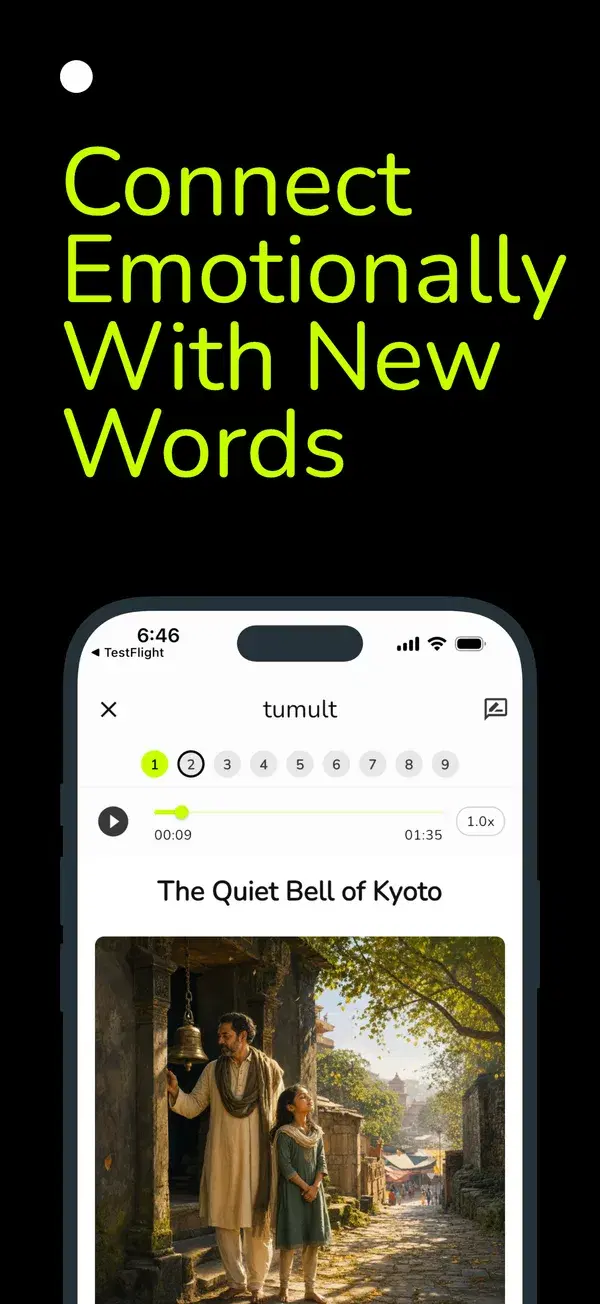
When a word arrives in a moment that makes the learner feel something — a laugh, a gasp, a small thrill — the brain stores the feeling alongside it. Later, that feeling becomes a hook back to the word.
Repetition without the grind.
A story can introduce a word, then return to it two or three times — same word, different moment, different sentence. The reader stays in the story; the brain quietly logs each encounter. A meta-analysis of 26 studies confirms repetition consistently improves vocabulary learning through reading (Uchihara et al., 2019, Language Learning).
more new words retained when taught through stories vs. word lists.
Watch the journey unfold, day by day.
From new word to flashcard.
Each new word begins unknown. By the time it earns its flashcard, it's been met, repeated, and remembered. The collection grows story by story.
- relinquishmastered
- fortitudemastered
- ephemeralreviewing
- meticulousnew
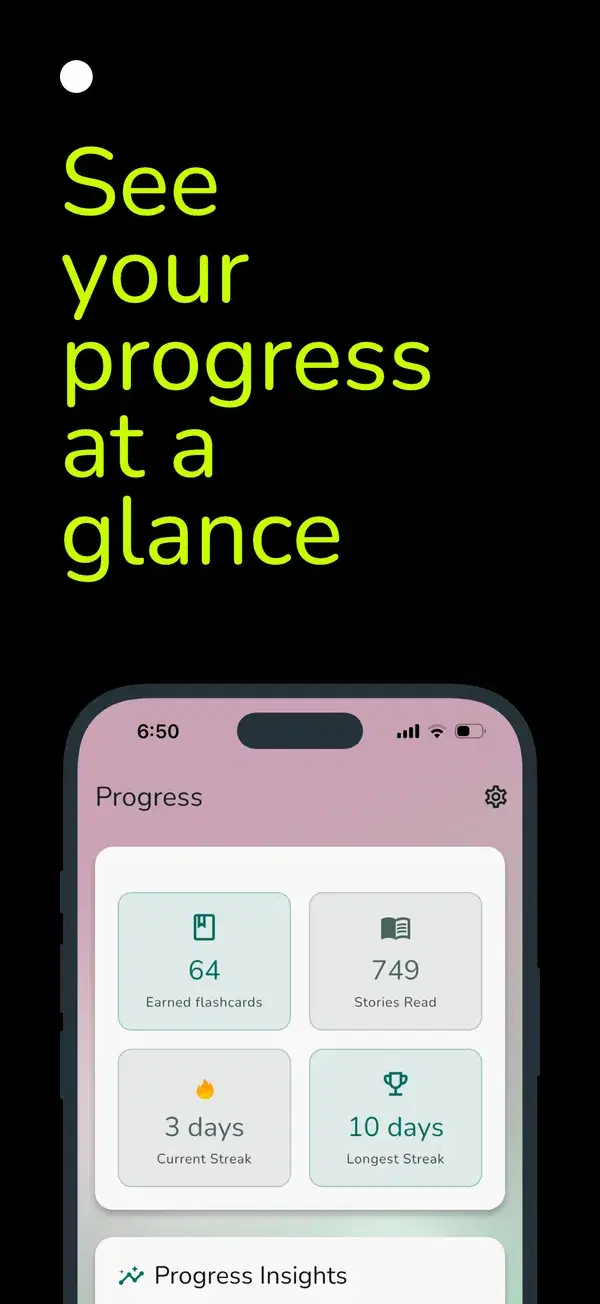
Stories add up.
Every story read adds to the count — and to the vocabulary that builds with it. Words don't compound from a single sighting; they compound across stories.
Streaks don't lie.
Daily practice becomes a habit when it's visible. Current streak, longest run, completion rate — small numbers that quietly build momentum, one session at a time.
What parents & tutors say.
I recommend Vocabulary Stories to parents preparing for the 11+. The stories make new words click in context, and the Word Tasks drill synonyms and antonyms until they stick — children actually enjoy building their vocabulary.
We tried flashcards and word lists for 11+ prep, but our son hated it. Vocabulary Stories turned vocabulary learning into something he actually looks forward to. His synonym knowledge has shot up.
How Vocabulary Stories builds vocabulary that lasts.
Story-based learning is backed by research, giving learners the contextual understanding that exams demand and life rewards.
Learn exam-level words in context.
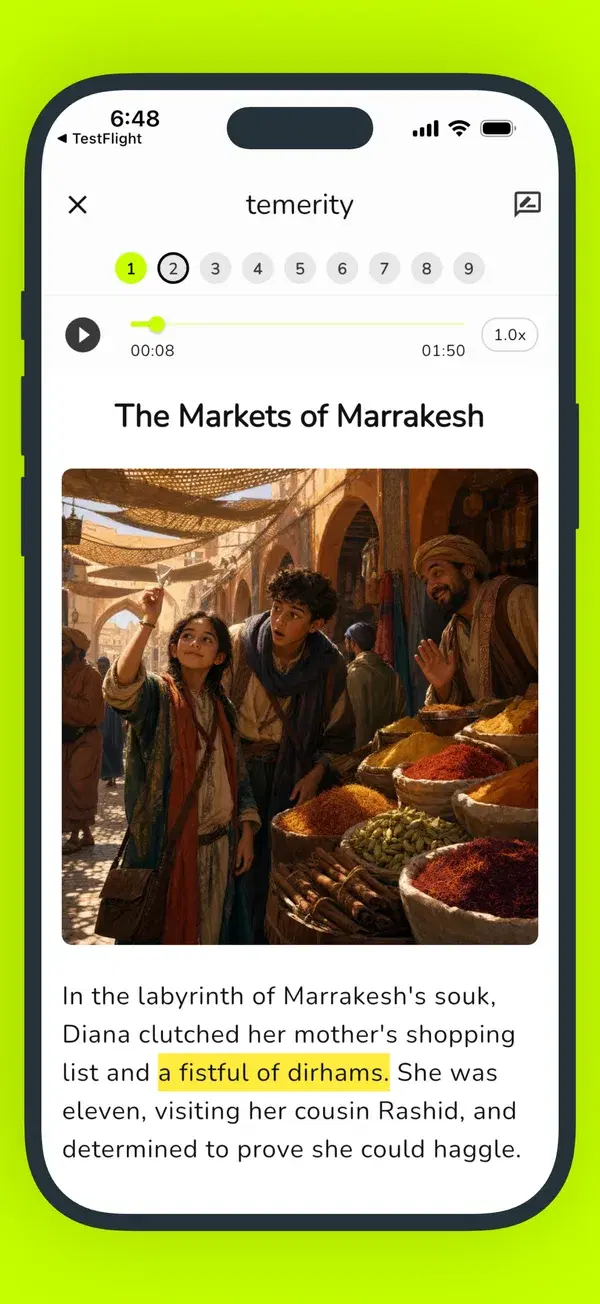
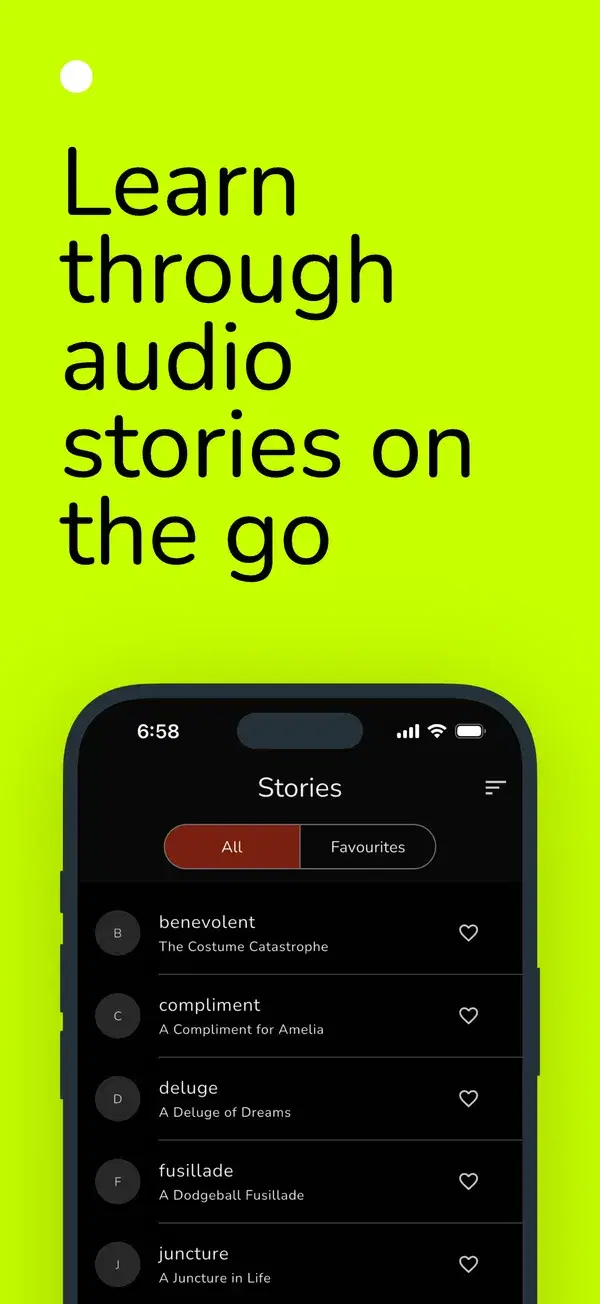
Learners encounter exam-level vocabulary within stories, not isolated word lists. Each story is built around a single target word — used naturally, repeated through the narrative, anchored in scene and character.
Drill synonyms, antonyms & word relationships.
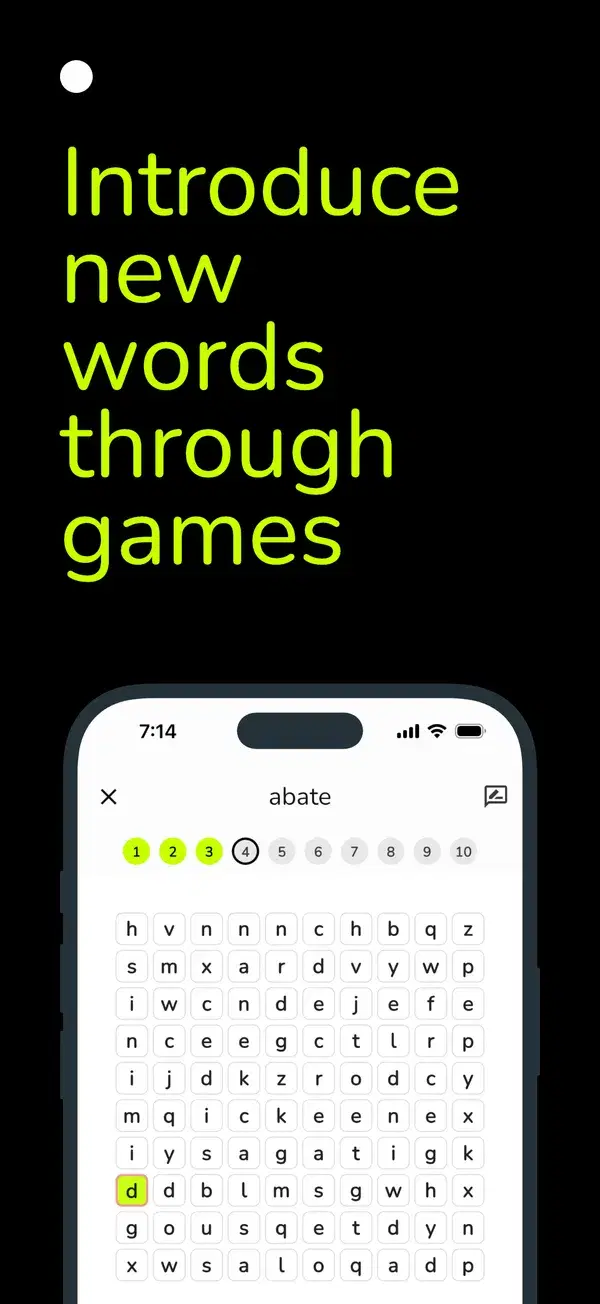
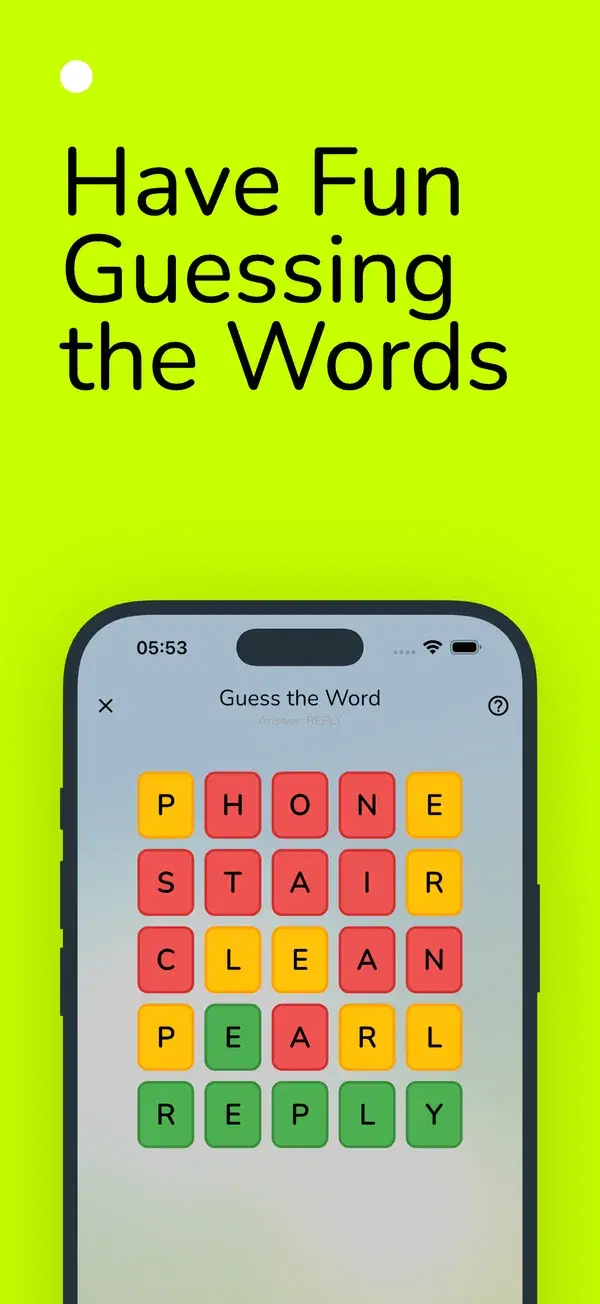
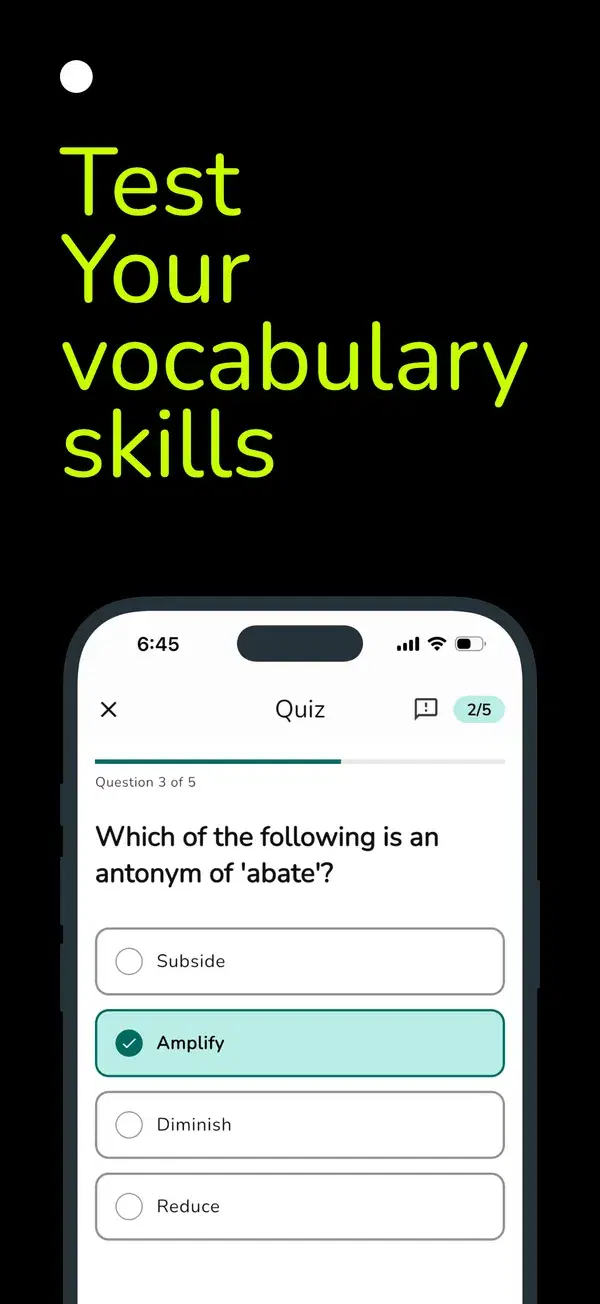
Our 8-step Word Tasks guide learners through meaning, synonyms, antonyms, example sentences, story context, recap, word sort, and quiz — the exact skills exams test. A separate suite of word games — Emoji Hopper, Word Search, Guess the Word, Word Chain, and Anagram — adds variety, drawing from a wider word bank.
Track progress, watch confidence build.
Daily practice becomes visible progress — flashcards earned, stories read, streaks built. As the library grows with new exam-aligned content, confidence compounds story by story. Personalised stories arriving on higher plans.
Common questions.
Latest stories.
Clumsy — A Vocabulary Story
Wanjiru and the Wibbling Jelly Wanjiru was the clumsiest girl on Acacia Road. Everyone said so. She tripped over flat...
Contortion — A Vocabulary Story
The Marble Under the Sofa Rahul's best marble, the green one with the swirl, rolled under the sofa on Saturday morning....
Artistry — A Vocabulary Story
A Flock of Paper Birds Ifeoma's grandmother was coming to stay for a whole month, all the way from Lagos, and Ifeoma...
Ready to wake the wordsmith within?
Download Vocabulary Stories — free on iOS and Android. Every story brings new words; every word, more to say.